
2026-07-27 · 7 min read
Key takeaways
- Zirconia crowns are metal-free crowns milled from zirconium dioxide, a ceramic strong enough for molars and bridges, with no grey metal line at the gum.
- As a general rule, multilayer or full-contour zirconia suits molars and bridges, while Ivoclar IPS e.max lithium disilicate is often preferred for front teeth where translucency matters most.
- Dental Med Austria in Tirana, Albania mills multilayer zirconia and Ivoclar IPS e.max restorations in its own in-house CAD/CAM laboratory (iMES iCORE), which improves fit control and shortens turnaround for visiting patients.
- With good oral hygiene, regular check-ups and a night guard where grinding is present, well-made zirconia crowns commonly last ten to fifteen years or longer, though longevity varies by patient and no lifespan can be guaranteed.
- Dental Med Austria has treated more than 24,000 patients since 2009, works to ISO 9001 quality management certified by TUV NORD, and prepares a free written treatment plan with itemised pricing within 24-48 hours.
Zirconia crowns are metal-free ceramic crowns milled from zirconium dioxide, one of the strongest restorative materials used in modern dentistry. At Dental Med Austria in Tirana, Albania, premium multilayer zirconia and Ivoclar IPS e.max crowns are designed, milled and finished in the clinic's own in-house CAD/CAM laboratory, which is how many international patients complete crown treatment within a short stay. Which material is right for you depends on where the crown will sit, how you bite and how much translucency the tooth needs, and this guide explains those trade-offs honestly.
What Exactly Is a Zirconia Crown?
Zirconia is the everyday name for zirconium dioxide, a dense white ceramic stabilised with yttria to give it exceptional toughness. A zirconia crown contains no metal at all, so there is no dark substructure to show through and no grey line at the gum as tissue changes over the years.
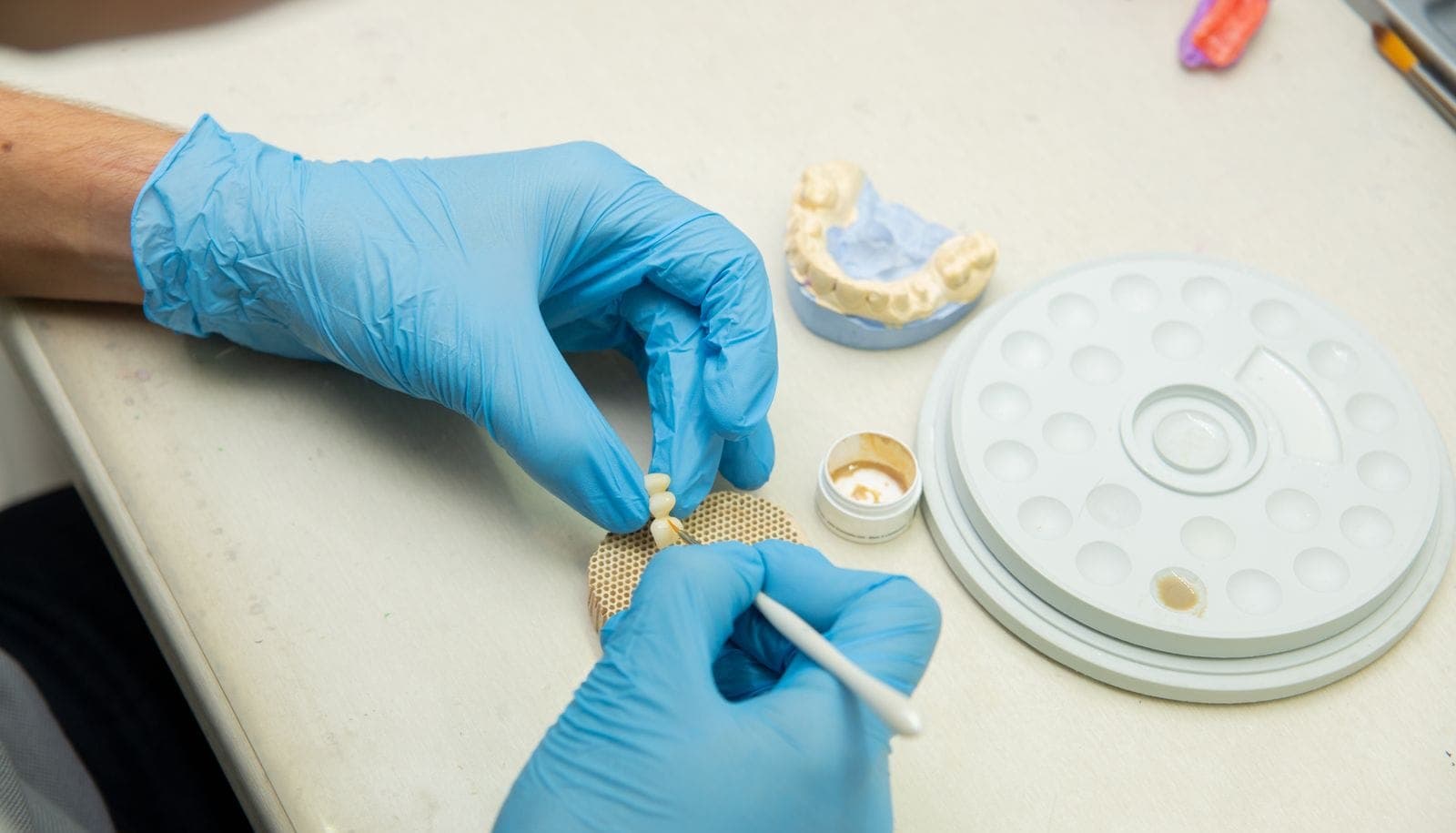
The crown is machined from an industrially manufactured disc, then sintered at high temperature until it reaches full hardness. Because the disc is produced under controlled factory conditions, its consistency is something hand-built materials cannot fully match. Zirconia is highly biocompatible and is used for single crowns, bridges and implant-supported restorations alike.
Multilayer Zirconia vs Full-Contour Zirconia
Not all zirconia is the same, and the difference matters more than most patients realise.
- Full-contour (monolithic) zirconia is milled from a uniform, maximum-strength block. It is the toughest option available and a sensible default for heavily loaded molars, patients who grind, and long-span bridges. Its historic weakness was appearance: early monolithic crowns could look flat and opaque.
- Multilayer zirconia is milled from discs manufactured with a built-in gradient. A stronger, more richly shaded dentine-like zone at the base transitions into a more translucent enamel-like zone at the biting edge, mimicking how a natural tooth handles light, without the chipping risk of hand-layered porcelain.
Dental Med Austria uses premium multilayer zirconia for most zirconia cases because it delivers molar-grade strength where the crown needs it and lifelike translucency where the eye looks for it. Our clinical team selects the specific disc type case by case, based on the tooth position, the bite and the shade of the neighbouring teeth.
Zirconia vs IPS e.max vs Metal-Ceramic: An Honest Comparison
No single crown material is "best". Each one trades strength against translucency, and an honest clinic will tell you which trade-off fits your tooth rather than selling one material for everything.
| Material | Typical strength | Translucency | Best suited for | Main trade-off |
|---|---|---|---|---|
| Multilayer zirconia | High (gradient: strongest at the base) | Good, with a natural gradient | Molars, premolars, bridges, smile-zone teeth that also need strength | Slightly less translucent than e.max at the biting edge |
| Full-contour zirconia | Highest of the ceramics | Lower | Heavy grinders, second molars, long-span bridges | The most opaque option |
| Ivoclar IPS e.max (lithium disilicate) | Moderate, reliable for single units | Excellent, closest to natural enamel | Front teeth, veneers, single crowns, inlays and onlays | Not indicated for long multi-unit bridges on molars |
| Metal-ceramic (PFM) | Strong metal core under porcelain | Moderate, with an opaque core | Selected cases; decades of clinical track record | Porcelain can chip, and a grey margin may appear if gums recede |
Alongside CAD/CAM milled e.max, Dental Med Austria also works with GiSi pressed e.max ceramic, a pressing technique our in-house laboratory uses where it best serves the aesthetics of veneers and anterior crowns. Metal-ceramic remains a legitimate, well-documented option, but for most new cases a metal-free material now offers a better balance of appearance and tissue-friendliness.
Molars or the Smile Zone: Where Each Material Wins
The decision logic is simpler than the marketing around it:
- Back teeth carry force. Molars absorb the heaviest chewing loads, so strength comes first. Multilayer or full-contour zirconia is usually the rational choice here, especially for grinders and bridges.
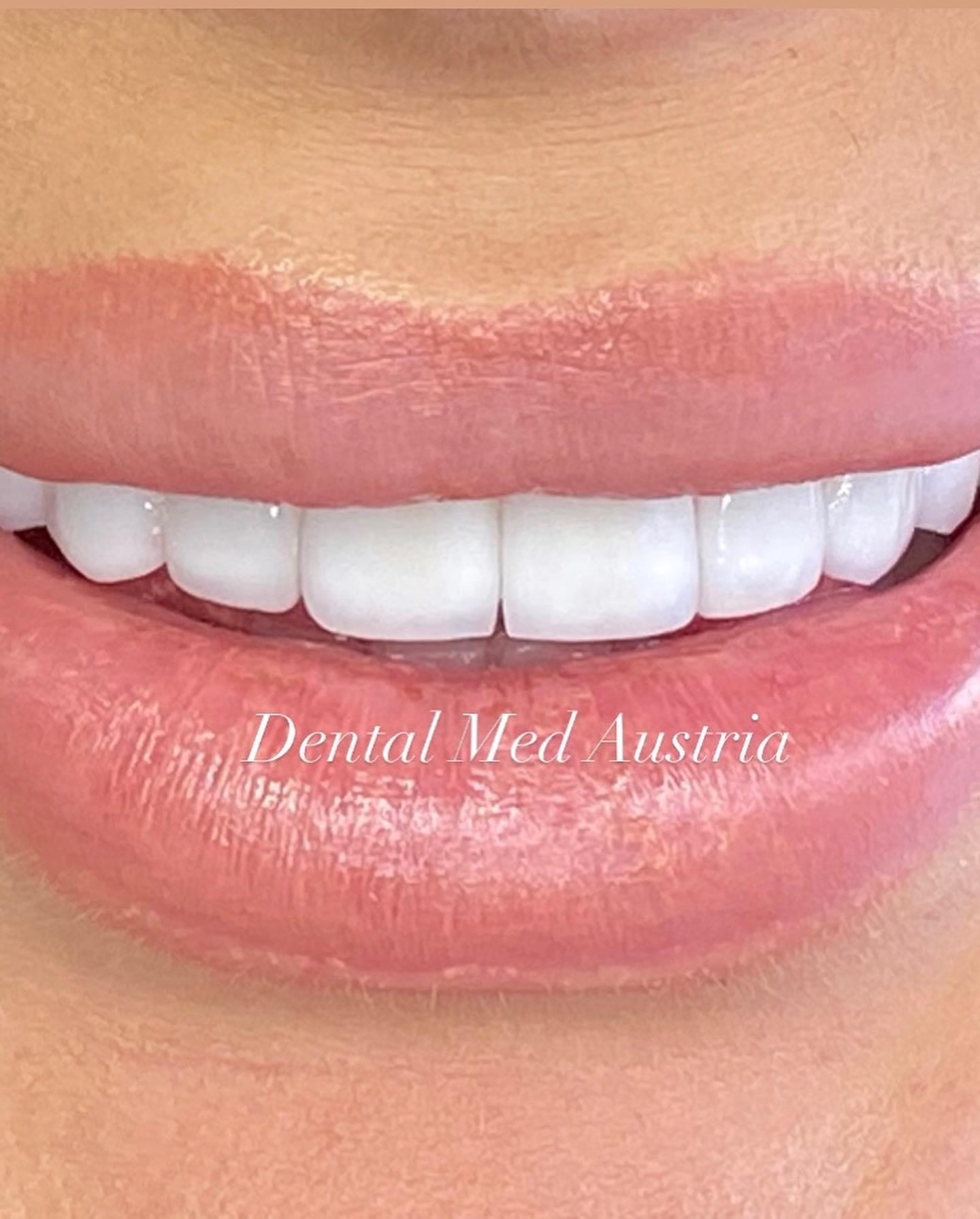
- Front teeth carry light. Incisors are judged by how they transmit and scatter light next to natural neighbours. This is where IPS e.max lithium disilicate, or a highly translucent multilayer zirconia, earns its place.
- Mixed cases need a plan, not a slogan. A full-arch rehabilitation often combines materials: zirconia where force dominates, e.max where aesthetics dominate.
Suitability is always confirmed from diagnostics rather than assumptions. Our clinical team assesses the bite, the condition of the tooth and the gumline using digital intraoral scanning (3Shape / Medit) and, where needed, Vatech 3D CBCT imaging before recommending a material. You can see how crowns fit into the wider treatment range in our full treatment catalogue.
How In-House CAD/CAM Milling Affects Fit and Turnaround
Many clinics send crown work to an external laboratory, sometimes in another city or country. Dental Med Austria mills and finishes its restorations in its own in-house CAD/CAM laboratory, built around iMES iCORE milling and Dekema ceramic furnaces. That changes three things patients actually feel:
- Marginal fit. The digital scan travels straight from the treatment room to the milling unit with no physical impression shipping and no data hand-offs between companies, which supports a precise seal at the crown margin.
- Turnaround. Design, milling, sintering, staining and glazing happen under one roof, so try-ins and adjustments can be scheduled within days rather than weeks. For patients flying in from the UK, Italy, Germany or elsewhere, a coordinator consolidates appointments so the work fits a short stay.
- Accountability. The same team that plans your case controls the laboratory step, under an ISO 9001 quality management system certified by TUV NORD. If a shade or contact point needs refining, it is corrected on site, often while you wait.
Zirconia on Implants
Zirconia and e.max are also the standard materials for crowns and bridges fitted on dental implants, from a single implant crown to full-arch work. The implant beneath the crown matters just as much as the crown itself, which is why every implant placed at Dental Med Austria carries a documented serial number, a lifetime manufacturer warranty and a patient-held implant passport. If your crown will sit on an implant, our comparison of dental implant brands explains the differences between systems such as Straumann BLT and BLX, ETK Premium and ETK, Alpha-Bio, DETECH and Biodem.
How Long Do Zirconia Crowns Last, and How to Care for Them
With good care, well-made zirconia crowns commonly last ten to fifteen years and often longer; e.max crowns have a similarly strong record in the positions they are designed for. No clinic can honestly guarantee a lifespan, because longevity depends on your bite, your hygiene and the health of the tooth underneath.
Care is refreshingly ordinary:
- Brush twice daily and clean between teeth; the crown cannot decay, but the tooth at its margin can.
- Avoid using teeth as tools, and be careful with ice, olive pits and similar surprises.
- Wear a night guard if you grind; our team will tell you plainly if you need one.
- Keep up professional hygiene visits, such as Airflow deep cleaning, and routine check-ups so small issues are caught early.
Why Zirconia Crowns Cost Less in Albania, and What to Check at Any Clinic
Crown treatment in Albania costs less than in Western Europe for structural reasons: lower clinic overheads, staff costs and laboratory running costs. The materials themselves, such as Ivoclar IPS e.max and premium multilayer zirconia discs, are the same internationally distributed brands used across Europe. Lower price does not have to mean lower standards, but you should verify that at any clinic you consider, anywhere:
- Ask which named material brands are used, and ask to see it in writing.
- Ask whether the laboratory is in-house or external, and who controls quality.
- Look for independent certification, such as ISO 9001, and professional memberships; Dental Med Austria is certified by TUV NORD and is a member of the ITI (International Team for Implantology).
- Insist on a written treatment guarantee and diagnostics-based planning before any quote.
Dental Med Austria has treated more than 24,000 patients since 2009, and every case receives transparent, itemised pricing confirmed individually; you can read how our pricing works before you commit to anything.
Free treatment plan
Find out what your new smile could look like in Tirana
Send a panoramic X-ray or a few photos and our clinical team will reply with a free, written treatment plan within 24–48 hours, with no obligation.
Get my free planYour Next Step: A Written Plan Before You Travel
If you are weighing up zirconia crowns in Albania, do not decide from a headline or a phone quote. Send us a panoramic X-ray (OPG), a CBCT or recent photos, and our clinical team will prepare a free, personalised, no-obligation written treatment plan within 24-48 hours, with the recommended material for each tooth and fully itemised pricing. Care is available in English, Italian, German, French and Albanian, with airport pickup in Tirana and partner hotels for visiting patients. Request your free written treatment plan here and compare it, calmly, against any other offer you receive.
Frequently asked questions
Are zirconia crowns better than e.max crowns?
Neither material is better across the board; they solve different problems. Zirconia is the stronger ceramic, which makes it the usual choice for molars, bridges and patients who grind their teeth, while Ivoclar IPS e.max lithium disilicate is more translucent and often looks more natural on front teeth. At Dental Med Austria in Tirana, the clinical team recommends a material per tooth based on digital scans, the bite and the position in the mouth rather than using one material for everything.
How long do zirconia crowns last?
With good oral hygiene and regular check-ups, well-made zirconia crowns commonly last ten to fifteen years and often longer. Longevity depends on individual factors such as the bite, grinding habits and the health of the tooth under the crown, so no clinic can honestly guarantee a fixed lifespan. A night guard, sensible eating habits and professional hygiene visits all extend the working life of a crown.
What is the difference between multilayer zirconia and full-contour zirconia?
Full-contour, or monolithic, zirconia is milled from a uniform high-strength block, making it the toughest option for heavily loaded molars and long bridges, though it is the more opaque material. Multilayer zirconia is milled from discs manufactured with a built-in gradient, so the crown is stronger and more shaded at the base and more translucent at the biting edge, much like a natural tooth. Dental Med Austria uses premium multilayer zirconia for most zirconia cases because it balances strength and aesthetics in one piece.
Can I get zirconia crowns fitted during a short stay in Albania?
Often yes, because Dental Med Austria designs, mills and finishes its zirconia and e.max crowns in its own in-house CAD/CAM laboratory in Tirana, rather than shipping work to an external lab. That keeps scanning, milling, try-ins and adjustments under one roof, and a patient coordinator consolidates appointments so treatment fits a short visit. The exact number of days depends on your case, which is confirmed in a free written treatment plan prepared within 24-48 hours from an X-ray or photos.
Do zirconia crowns look natural?
Modern zirconia crowns can look very natural, especially multilayer zirconia, which has a built-in gradient from a dentine-like core to a translucent biting edge. For front teeth where light transmission is most visible, lithium disilicate materials such as Ivoclar IPS e.max are sometimes preferred for their enamel-like translucency. Because zirconia contains no metal, there is also no grey line at the gum, which was a common complaint with older metal-ceramic crowns.
Why are zirconia crowns cheaper in Albania than in Western Europe?
The difference comes from structurally lower clinic overheads, staff costs and laboratory running costs in Albania, not from different materials. Clinics such as Dental Med Austria use the same internationally distributed brands found across Europe, including Ivoclar IPS e.max and premium multilayer zirconia, milled in an in-house CAD/CAM laboratory under an ISO 9001 quality system certified by TUV NORD. The sensible approach is to request a free written treatment plan with itemised pricing and compare it line by line against a quote from home.