
2026-07-27 · 7 min read
Key takeaways
- An in-house dental laboratory means crowns, veneers and full-arch restorations are designed, milled and finished inside the clinic itself, removing shipping delays and third-party handoffs.
- Dental Med Austria in Tirana runs its own CAD/CAM laboratory with iMES iCORE milling units, Dekema ceramic furnaces and hand layering by the clinic's own ceramists.
- Shade matching with the patient present lets the ceramist verify colour against natural teeth in real lighting, which matters most for front-tooth veneers and single-crown cases.
- DMA restorations use Ivoclar IPS e.max lithium disilicate, GiSi pressed e.max and premium multilayer zirconia, with quality control owned end to end by the treating clinic.
- DMA has treated more than 24,000 patients since 2009, is ISO 9001 certified by TUV NORD, and provides a free written treatment plan within 24-48 hours from an X-ray or photos.
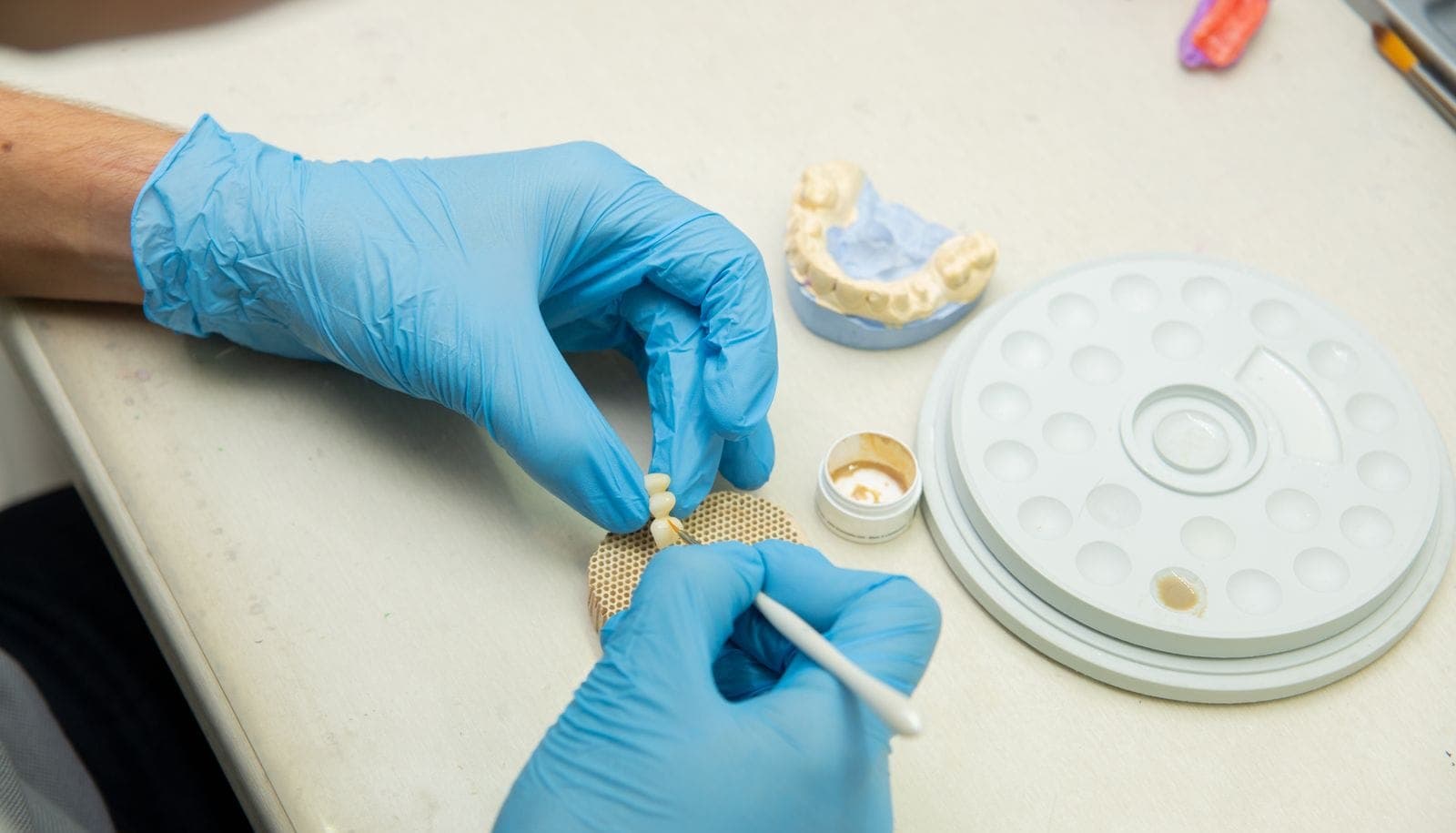
If you are searching for an in-house dental laboratory clinic in Albania, here is the short answer: it is a clinic that designs, mills and finishes your crowns, veneers and full-arch restorations on site instead of shipping the work to an external lab. At Dental Med Austria (DMA) in Tirana, dentists, laboratory technicians and ceramists work under the same roof, with iMES iCORE CAD/CAM mills and Dekema ceramic furnaces in the building. The practical result is tighter quality control, shade matching with the patient present, and turnarounds measured in days rather than weeks.
What an In-House Dental Laboratory Actually Means
Most dental clinics do not manufacture the restorations they fit. The dentist takes an impression or a digital scan, sends it to an external laboratory, sometimes in another city or another country, and the finished crown comes back days or weeks later. If the fit or the shade is wrong, the piece goes back into the same loop.
An in-house laboratory collapses that supply chain into a corridor. The digital scan travels a few metres, the design is discussed face to face, the restoration is milled, pressed or sintered in the clinic's own machines, and the ceramist who layers the final surface can see the patient it is made for.
It is worth being precise about the term. A single chairside milling unit in a corner is not a laboratory. A true in-house lab is a staffed department with technicians and ceramists, its own milling and furnace equipment, and its own quality-control step before anything reaches your mouth.
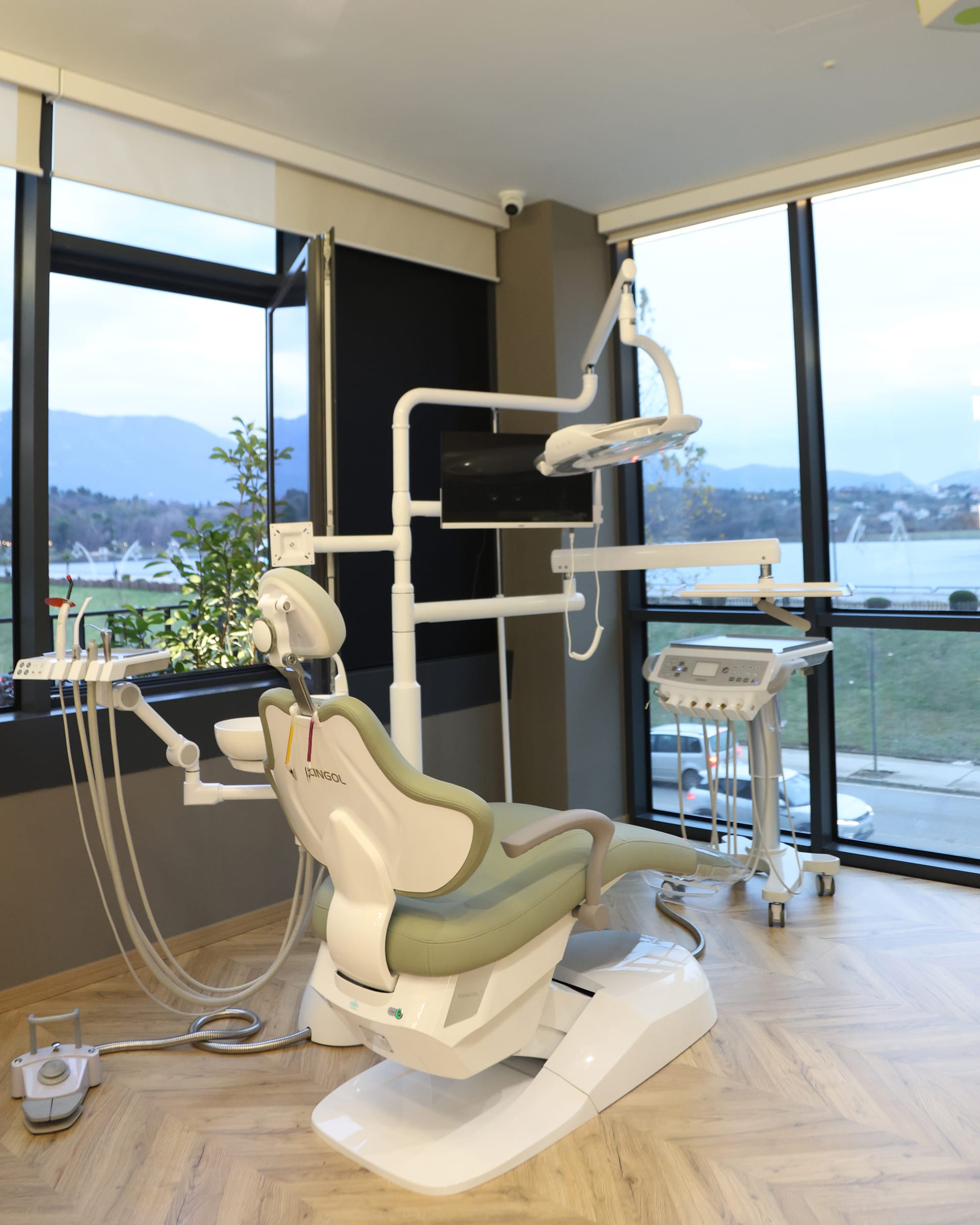
Same-Roof Communication Between Dentist, Technician and Ceramist
In an outsourced workflow, the dentist communicates with the laboratory through a written prescription, photographs and, at best, a phone call. Every subtlety about your bite, your smile line or the translucency of a neighbouring tooth has to survive that handoff.
When the technician works in the same building, the conversation is different:
- The clinician and the technician review the digital design together, on the same screen, before anything is milled.
- The ceramist can meet the patient, not just a shade code on a form.
- Occlusion, emergence profile and incisal edge details are resolved in minutes of discussion, not rounds of shipping.
- If something needs attention at try-in, the technician can be in the room within minutes.
None of this guarantees perfection, no workflow can, but it removes the places where information is most commonly lost.
Shade Matching With the Patient in the Chair
Colour is where remote work is hardest. A shade tab photographed under clinic lighting rarely tells a ceramist everything about how your natural enamel behaves in daylight, under warm indoor light, or wet versus dry.
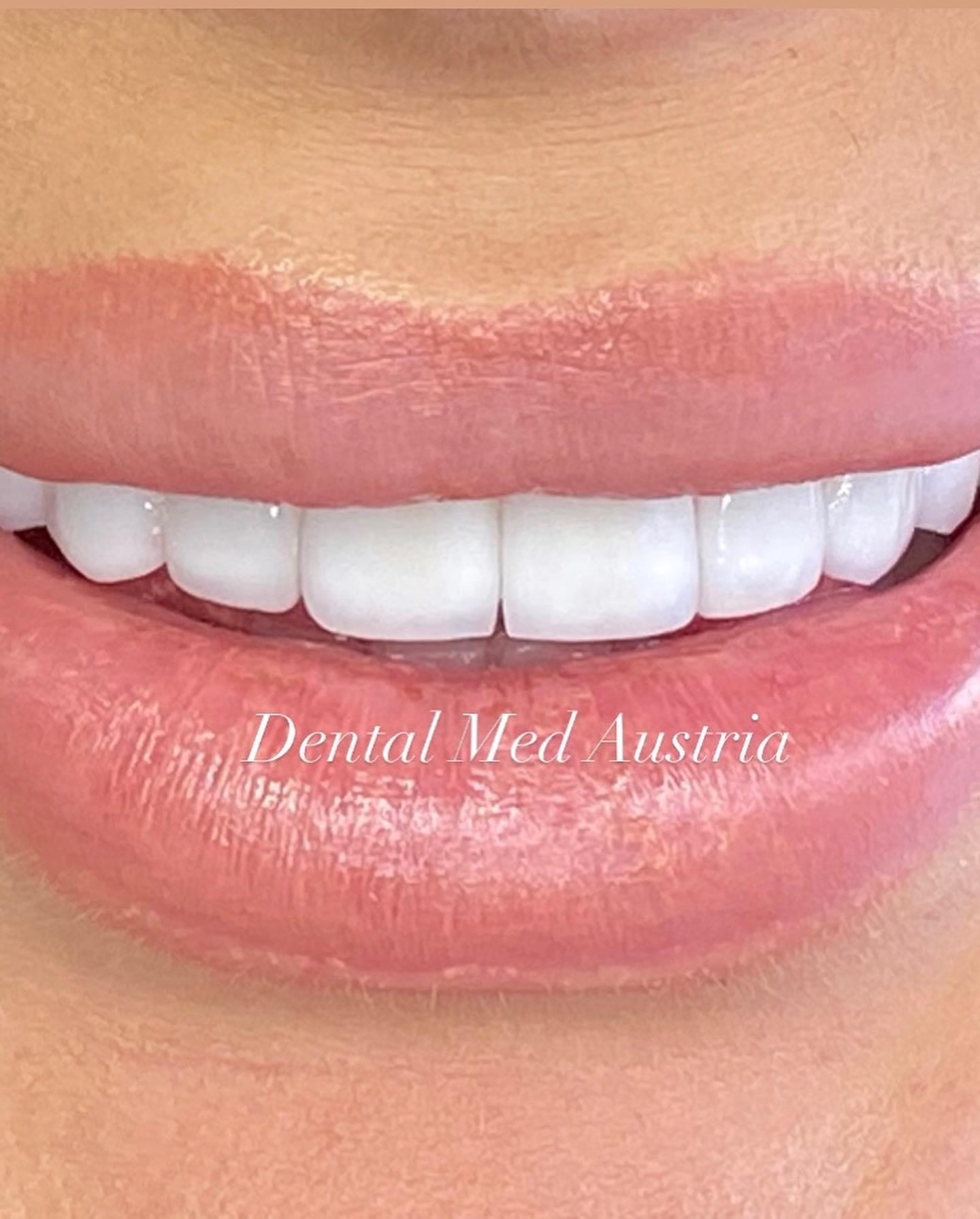
At DMA, shade selection for veneers and crowns happens with the patient present and, where the case demands it, with the ceramist involved directly. Hand layering on IPS e.max and zirconia frameworks is done by the clinic's own ceramists, who can check their work against your neighbouring teeth at try-in and refine characterisation the same day. For the most unforgiving cases, such as a single upper front tooth, this feedback loop between chair and bench helps a restoration blend in rather than merely match a code.
CAD/CAM Mills and Ceramic Furnaces On Site
The DMA laboratory is built around a fully digital workflow. Intraoral scanning with 3Shape and Medit scanners replaces conventional impressions for most cases, and the design files go straight to the lab floor:
- iMES iCORE milling units machine restorations from lithium disilicate and multilayer zirconia blanks.
- Dekema ceramic furnaces handle crystallisation, sintering and pressing cycles.
- The clinic's ceramists finish each piece by hand, from staining and glazing to full layering where the case demands it.
The materials are internationally recognised brands: Ivoclar IPS e.max lithium disilicate, GiSi pressed e.max, and premium multilayer zirconia for crowns, bridges and full-arch frameworks. You can read more about the equipment on our technology page and see how these materials are used across our full range of treatments.
Faster Turnarounds: Days, Not Weeks
For a local patient, an outsourced crown mostly costs patience. For an international patient flying into Tirana for a fixed number of days, laboratory logistics decide whether the trip works at all.
Because design, milling, firing and finishing happen inside the clinic, DMA can consolidate appointments so that preparation, try-in and fitting fall within a single short stay for many crown and veneer cases. Adjustments that would normally mean another shipping cycle are handled on site, often the same day. Full-arch implant work still follows biological timelines, healing and osseointegration cannot be milled faster, but the prosthetic stages that depend on a laboratory no longer add courier days on top.
Exact timelines are always case-dependent and are confirmed in your written treatment plan. Airport pickup and partner-hotel arrangements are organised around those consolidated visits.
In-House vs Outsourced Laboratory Workflows Compared
Both models can produce excellent dentistry. The honest difference is not talent, it is logistics, communication and who owns quality control. Here is how the two workflows typically compare:
| Aspect | In-house laboratory | Outsourced laboratory |
|---|---|---|
| Dentist-technician communication | Face to face, same building, same screen | Written prescriptions, photos, calls |
| Shade matching | Ceramist can see the patient directly | Based on shade codes and photographs |
| Typical turnaround | Days, since work never leaves the clinic | Weeks, including shipping both ways |
| Adjustments and remakes | Same day or next day in many cases | A new shipping cycle per adjustment |
| Quality control | Owned end to end by the treating clinic | Split between clinic and external lab |
| Material traceability | Verified and documented in-house per case | Depends on the external lab's disclosures |
A well-run external laboratory with a disciplined clinic partner can absolutely deliver good outcomes. The point is that with an in-house lab you know exactly who is accountable for every step, because it is the same organisation that treats you.
Questions to Ask Any Clinic About Where Its Crowns Are Made
Wherever you are considering treatment, in Albania or anywhere else, these questions will tell you quickly how a clinic really works:
- 1Is your laboratory physically inside the clinic, and can I see it?
- 2Who designs and who finishes my restoration, and are they employed by the clinic?
- 3Which material brands do you use, and can you document them for my specific case?
- 4How is shade selected, and will the ceramist see my natural teeth?
- 5If the fit or shade needs adjusting, how long does a correction take?
- 6What written guarantee covers the restoration, and who honours it?
- 7Can you show certificates for sterilisation, quality management and materials?
A clinic with nothing to hide will answer all seven without hesitation. DMA publishes its certificates, material documentation and traceability records openly on its Evidence hub, because these are exactly the questions we believe every patient should ask.
How This Works at Dental Med Austria in Tirana
DMA has operated in Tirana since 2009 and has treated more than 24,000 patients, both local and international, including many from the UK, Ireland, Italy, Germany, Switzerland, Austria and France. The clinic is ISO 9001 certified by TUV NORD, is a member of the ITI (International Team for Implantology), and backs every case with a written treatment guarantee alongside manufacturer warranties.
The in-house laboratory sits inside a broader single-roof setup: Vatech 3D CBCT imaging, Navident dynamic navigation for implant surgery, a Zeiss operating microscope for root canal work, and a multidisciplinary clinical team covering implant surgery, prosthetics, orthodontics, endodontics and hygiene. For implant cases, every fixture carries documented serial numbers and a patient-held implant passport, the same traceability mindset the laboratory applies to its ceramics.
Multilingual coordinators (English, Italian, German, French and Albanian) manage communication before and during your stay, so nothing about your case gets lost in translation either.
Free treatment plan
Find out what your new smile could look like in Tirana
Send a panoramic X-ray or a few photos and our clinical team will reply with a free, written treatment plan within 24–48 hours, with no obligation.
Get my free planStart With a Free Written Treatment Plan
If you are weighing up clinics, start with paperwork rather than promises. Send us a panoramic X-ray, a CBCT or simply clear photos, and our clinical team will prepare a free, personalised, no-obligation written treatment plan within 24-48 hours, with transparent itemised pricing confirmed for your specific case. You will see exactly which materials your restorations would use and how your visits would be scheduled around the in-house laboratory.
Request your free written treatment plan today, and our coordinators will walk you through every step in your own language.
Frequently asked questions
What is an in-house dental laboratory?
An in-house dental laboratory is a fully staffed lab located inside the clinic itself, where technicians and ceramists design, mill and finish crowns, veneers and full-arch restorations on site. It is more than a chairside milling unit: it includes CAD/CAM mills, ceramic furnaces and a dedicated quality-control step, all owned and run by the clinic that treats you.
Why does an in-house lab make crowns and veneers faster?
Because the restoration never leaves the building, there is no shipping to an external laboratory and back, which typically adds days or weeks to each step. Design, milling, firing and finishing happen a corridor away from the treatment room, so try-ins and adjustments can often be handled the same day. Exact timelines still depend on the individual case and are confirmed in a written plan.
What materials does Dental Med Austria's in-house laboratory use?
DMA works with Ivoclar IPS e.max lithium disilicate, GiSi pressed e.max and premium multilayer zirconia. Restorations are milled on iMES iCORE machines, fired in Dekema ceramic furnaces and hand-finished by the clinic's own ceramists. Material documentation for each case is available through the clinic's public Evidence hub.
Is a crown from an in-house lab automatically better than one from an outsourced lab?
Not automatically: skilled external laboratories can produce excellent work. The real differences are logistics, communication and accountability, since an in-house lab allows face-to-face design discussions, shade matching with the patient present and same-day adjustments. It also means one organisation owns quality control from scan to final fitting.
How long do I need to stay in Tirana for crowns or veneers?
It depends on your individual case, which is why DMA prepares a free written treatment plan before you travel. Because the laboratory is inside the clinic, preparation, try-in and fitting can be consolidated into a single short stay for many crown and veneer cases. Implant-based work follows biological healing timelines that no laboratory can shorten, but the prosthetic stages avoid courier delays.
How can I check whether a clinic really has its own laboratory?
Ask to see the laboratory in person, ask who designs and finishes your restoration and whether they are employed by the clinic, and request documentation of the material brands used in your case. A transparent clinic will answer readily; DMA publishes its certificates, materials and traceability records on its public Evidence hub.