
2026-07-27 · 8 min read
Key takeaways
- A complete dental team covers implant surgery, prosthodontics, orthodontics, microscope endodontics, hygiene and an in-house laboratory, all working at one address.
- Dental Med Austria in Tirana has treated more than 24,000 patients since 2009 with a multidisciplinary clinical team and its own CAD/CAM laboratory under one roof.
- ITI membership and ISO 9001 certification by TUV NORD are third-party verifiable signals of a clinic's team standards, not self-awarded marketing claims.
- An in-house laboratory lets ceramists judge shade with the patient in the chair and adjust restorations quickly, which matters for international patients on short stays.
- Every implant placed at DMA is documented with its serial number in a patient-held implant passport and covered by a lifetime manufacturer warranty.
A dental team of specialists in one clinic means an implant surgeon, prosthodontic expertise, orthodontics, microscope endodontics, professional hygiene and the clinic's own laboratory technicians all working at the same address and planning cases together. In Albania, Dental Med Austria in Tirana is organised on exactly this model, with a multidisciplinary clinical team and an in-house CAD/CAM laboratory under one roof, backed by ISO 9001 certification and ITI membership. This guide explains what a complete dental team actually looks like, and how to evaluate the team behind any clinic you are considering.
Why the team matters more than any single dentist
Modern dentistry is too broad for one clinician to master everything at the highest level. Implant surgery, root canal treatment under magnification, bite reconstruction, orthodontic tooth movement and ceramic layering are separate disciplines, each with its own training pathway, its own literature and its own failure modes.
A clinic built around a single well-known dentist has a structural weakness: cases tend to be treated with the skills that one person happens to have. A team-based clinic works differently. Diagnoses are challenged internally before treatment starts, options are debated by people with different specialties, and each stage of your care is carried out by the clinician who does that stage every day.
This is not a marketing point, it is a planning point. Complex cases fail at the seams, where surgery meets prosthetics or where root canal work meets the final restoration. A genuine team closes those seams.
The specialists a complete clinic needs under one roof
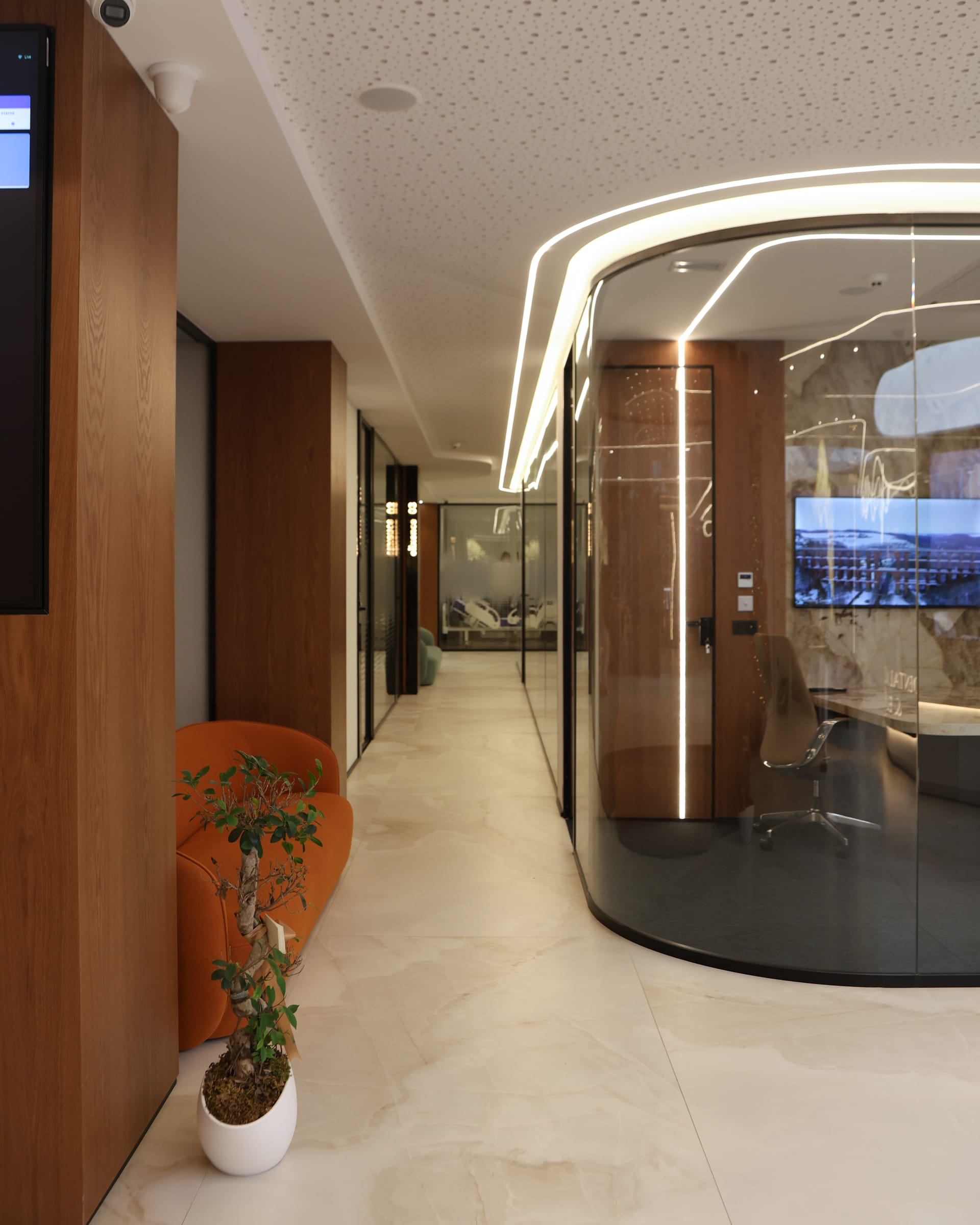
When you evaluate any clinic, in Albania or anywhere else, check that these roles exist at the same address rather than as external referrals:
| Specialty area | What it covers | Why one roof matters |
|---|---|---|
| Implant surgery | Placement planning from 3D imaging, bone and soft-tissue management, and, where indicated, regenerative procedures using CE-marked biomaterials such as Botiss Cerabone and the Jason membrane | Surgical positions are planned with the prosthetic team from the same digital data |
| Prosthodontic work | Design of crowns, bridges, veneers, dentures and full-arch restorations, including how the new teeth will meet, function and age over time | The final restoration is designed before surgery starts, not improvised afterwards |
| Orthodontics | Tooth movement, including clear aligners, which often creates space or corrects positions before restorative work begins | Sequencing with restorative stages is agreed in one plan |
| Microscope endodontics | Root canal treatment performed with an operating microscope, which helps the clinician locate and clean canal anatomy that is difficult to see with the naked eye | The tooth's restorability is judged together with the clinician who will restore it |
| Professional hygiene | Structured cleaning and maintenance, the quiet discipline on which every other result depends | Maintenance is built into the same plan and the same records |
At Dental Med Austria, all five areas are covered by one clinical team working from shared diagnostics, alongside the clinic's own laboratory. You can read how this structure has developed since 2009 in our clinic's story.
The laboratory team you never meet but always see
Ask any clinic one revealing question: where is your lab work actually made?
Many clinics outsource crowns and veneers to external laboratories, sometimes in another city. Nothing is wrong with a good external lab, but distance has costs: shade matching from photographs, courier delays, and no technician who has ever seen the patient's face.
An in-house laboratory changes the working relationship. At DMA, restorations in Ivoclar IPS e.max lithium disilicate, GiSi pressed e.max and premium multilayer zirconia are milled and finished in the clinic's own CAD/CAM laboratory, on iMES iCORE mills and Dekema furnaces, with hand-layering by the clinic's own ceramists. In practice this means:
- The ceramist can see the patient in person to judge shade, translucency and how a restoration sits against the lips and skin tone.
- Adjustments that would take an external lab days can often happen far faster, which matters when international patients are in Tirana for a limited stay.
- Accountability is direct. The clinician and the technician who made the crown work under the same roof and answer to the same quality system.
What joint planning looks like on a complex case
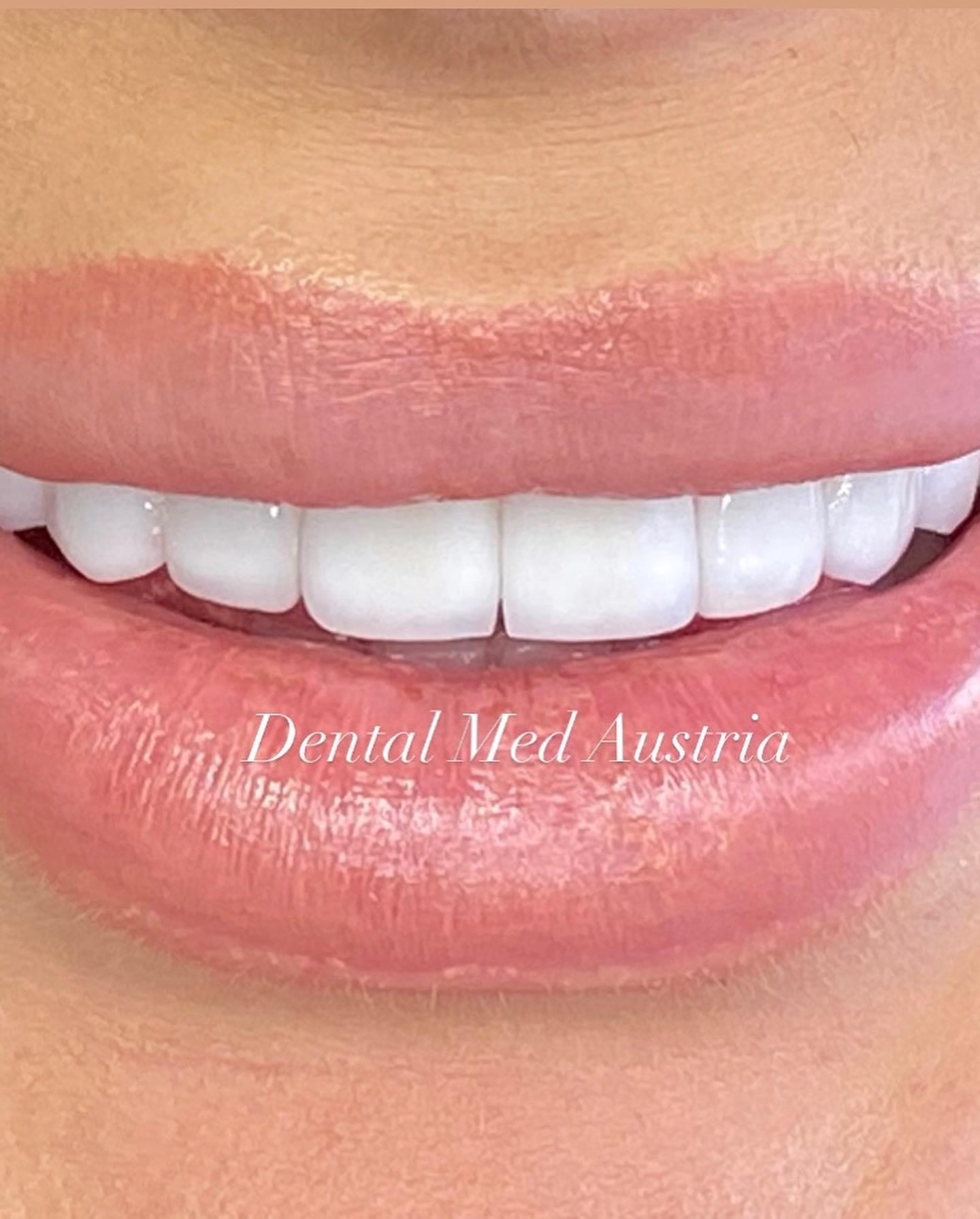
Combined cases, worn dentition, full-arch implant work, or implants plus orthodontics, are where team structure shows.
At a one-roof clinic, planning starts from a single shared diagnostic set: a Vatech 3D CBCT scan and digital intraoral scans taken with 3Shape or Medit scanners. The specialists then sequence the case together. Does a compromised tooth need microscope root canal treatment before it can carry a crown? Should aligners create space before implants are placed? Would gum contouring with a soft-tissue diode laser improve the final result of veneers? These calls are made once, in one plan, rather than negotiated between separate practices.
Execution follows the same logic. Implant placement at DMA can be carried out with Navident dynamic navigation, so surgery follows the digitally planned positions, and the prosthetic team designs the final teeth from the same digital data. The full equipment list is on our technology page.
Compare that with a referral chain: records passed between offices, imaging repeated, and no single owner of the outcome. Referrals have their place in dentistry, but for complex work, fragmentation is a risk you can simply avoid.
Verifiable signals: ITI membership, ISO 9001 and continuing education
Any clinic can write "expert team" on its website. Look instead for signals that a third party can verify.
- ITI membership. The International Team for Implantology is a global academic association dedicated to evidence-based implant dentistry and continuing education. Membership signals a documented, ongoing commitment to that education. Dental Med Austria is an ITI member, and you can read what this involves on our ITI membership page.
- ISO 9001 quality management. DMA is certified by TUV NORD, which means the clinic's processes, including documented sterilisation and infection-control protocols, are audited against an international standard.
- Materials traceability. Every implant placed at the clinic, across the Straumann BLT and BLX, ETK Premium and ETK, Alpha-Bio, DETECH and Biodem systems, is documented with its serial number in a patient-held implant passport and covered by a lifetime manufacturer warranty.
- Openly published evidence. DMA maintains a public Evidence hub on its website with verifiable certificates and materials documentation, and links its live Google profile from its reviews page rather than curating selected quotes.
The pattern to look for is simple: claims that point outward to auditors, registries and manufacturers, not inward to the clinic's own adjectives.
Multilingual coordinators are part of the clinical experience
For international patients, communication is clinical, not cosmetic. Consent conversations, treatment plan explanations and aftercare instructions only work if the patient fully understands them.
DMA's coordinators work in English, Italian, German, French and Albanian, and they work closely with the clinical team throughout your case. They walk you through the written treatment plan prepared by the clinicians, consolidate appointments so that patients from the UK, Ireland, Italy, Germany, Switzerland, Austria and France can complete their visits within short stays, and arrange practical support such as airport pickup in Tirana and a partner hotel.
When you evaluate any clinic abroad, test this early: write in your own language and see whether the reply shows that a real coordination team has read your case. You can try this with us through our contact page.
How to evaluate the team behind any clinic: a practical checklist
These neutral questions work for any clinic, in any country:
- 1Which specialty areas practise at this address, and which cases are referred out?
- 2Where are my crowns or veneers actually made, and who makes them?
- 3Which implant systems do you use, and will I receive documentation with serial numbers?
- 4Are you a member of a verifiable professional body such as the ITI, and can I check that independently?
- 5Who owns my overall treatment plan, and will I receive it in writing before I commit?
- 6What diagnostic imaging will my plan be based on, and is it done in-house?
- 7How do you handle warranty questions if something needs adjustment after I go home?
A confident, team-based clinic answers these quickly and in writing. Hesitation on any of them tells you something useful.
The team behind Dental Med Austria
Since 2009, more than 24,000 patients from Albania and abroad have been treated at Dental Med Austria in Tirana, at the Lake View Residence on Rruga Kristo Luarasi. The clinic's structure reflects everything above: implant surgery, prosthetic design, orthodontics, microscope endodontics and hygiene within one clinical team, the clinic's own laboratory technicians and ceramists working in-house, and multilingual coordinators built into the patient journey.
Every case carries a written treatment guarantee from the clinic alongside the manufacturer warranties on materials. And every plan is individual: suitability for any procedure, from a single crown to All-on-4 or All-on-6 full-arch work, is decided from your own diagnostics, never from a template.
Free treatment plan
Find out what your new smile could look like in Tirana
Send a panoramic X-ray or a few photos and our clinical team will reply with a free, written treatment plan within 24–48 hours, with no obligation.
Get my free planStart with a written plan, not a promise
The fastest way to judge a team is to see how it plans. Send a panoramic X-ray, a CBCT scan or clear photos, and our clinical team will prepare a free, personalised, written treatment plan within 24-48 hours, with transparent itemised pricing confirmed for your case and no obligation attached. You will see which specialists are involved at each stage, and why, before you book anything.
Request your free written treatment plan and evaluate our team exactly the way this article suggests you evaluate any other.
Frequently asked questions
What specialists should a complete dental clinic have under one roof?
A complete clinic covers implant surgery, prosthodontic work, orthodontics, endodontics performed under a microscope and professional hygiene at the same address. It should also have its own laboratory technicians and ceramists so restorations are designed, milled and adjusted where the patient is treated. If several of these areas are referred out, complex cases end up planned in fragments rather than as one coordinated plan.
Why does an in-house dental laboratory matter for patients?
An in-house lab means the ceramist can assess shade and shape with the patient in the chair rather than from photographs, and adjustments can often be made much faster. At Dental Med Austria, e.max and multilayer zirconia restorations are milled and hand-finished in the clinic's own CAD/CAM laboratory. This is especially valuable for international patients with limited days in Tirana.
How can I verify a dental clinic's team credentials in Albania?
Look for signals a third party can confirm: membership of professional bodies such as the ITI (International Team for Implantology), ISO 9001 certification by an auditor such as TUV NORD, implant documentation with serial numbers, and openly published reviews. Dental Med Austria publishes its certificates and materials documentation in a public Evidence hub and links its live Google profile from its website.
Does Dental Med Austria treat international patients?
Yes. The clinic has treated more than 24,000 patients since 2009, including patients from the UK, Ireland, Italy, Germany, Switzerland, Austria and France. Multilingual coordinators working in English, Italian, German, French and Albanian consolidate appointments for short stays, and the clinic arranges airport pickup in Tirana and a partner hotel.
Is one dentist enough for complex work like All-on-4 or a full mouth rehabilitation?
Complex cases usually cross specialty boundaries, combining surgery, prosthetic design and sometimes orthodontics or endodontics. Whether any given approach is suitable is decided individually from diagnostics such as a CBCT scan. A team-based clinic plans these stages together in one written plan, which reduces the risk of decisions being made in isolation.
How do I get a treatment plan from Dental Med Austria before travelling?
Send a panoramic X-ray, a CBCT scan or clear photos through the clinic's contact page. The clinical team prepares a free, personalised, written treatment plan within 24-48 hours, with transparent itemised pricing confirmed for your case. There is no obligation, and the plan shows which specialists are involved at each stage.