
2026-07-01 · 8 min read
Choosing the best dental clinic in Albania comes down to five things you can actually verify: accreditation, the materials and implant systems used, a written guarantee, structured aftercare, and honest communication in your own language. If a clinic scores well on all five, price becomes a genuine bonus rather than a gamble. This guide walks you through each point the way we would explain it to a patient sitting across the desk in Tirana, so you can compare any clinic on facts instead of marketing.
We treat many patients from Germany, Switzerland and the UK every year, and the questions are almost always the same. Who fixes a problem when I am back home? Is that implant a brand my local dentist even knows? How clean is the clinic really? Will anyone speak German with me? Those are fair questions, and a serious clinic answers them without hesitation. Let us go through how to separate the best dentist in Albania from a slick website.
How to choose the best clinic in Albania
Start by defining what you actually need, because the right clinic for a single crown is not always the right clinic for full-mouth rehabilitation. A simple filling or a professional cleaning is low risk almost anywhere. Implants, bone grafts, a sinus lift or full-arch bridges are a different level. These involve surgery, healing time and long-term function, so the clinic you pick must have surgical experience, proper imaging and a plan that survives contact with reality.
Ask for a written treatment plan before you commit to anything. A good dental clinic in Tirana will review your panoramic X-ray or 3D CBCT scan, then send you an itemized plan that lists each tooth, each procedure, each material and the total cost. In the DACH world this is your Behandlungsplan. If a clinic quotes a headline price without seeing images or asking about your medical history, medications and smoking habits, that is not a plan, that is a sales pitch.
Look at how they handle the timeline. Osseointegration, the process where the implant fuses with your jawbone, usually takes about three to six months. That means most implant cases need two trips: one for surgery and one for the final crowns or bridge after healing. Any clinic promising brand new fixed teeth on permanent implants in a single short visit for every patient is oversimplifying. Immediate loading (placing a temporary tooth on the same day) is real and often possible, but it depends on bone quality and primary stability, not on a marketing promise. You can review the full range of what serious cases involve on our Treatments page.
Standards, materials and accreditation
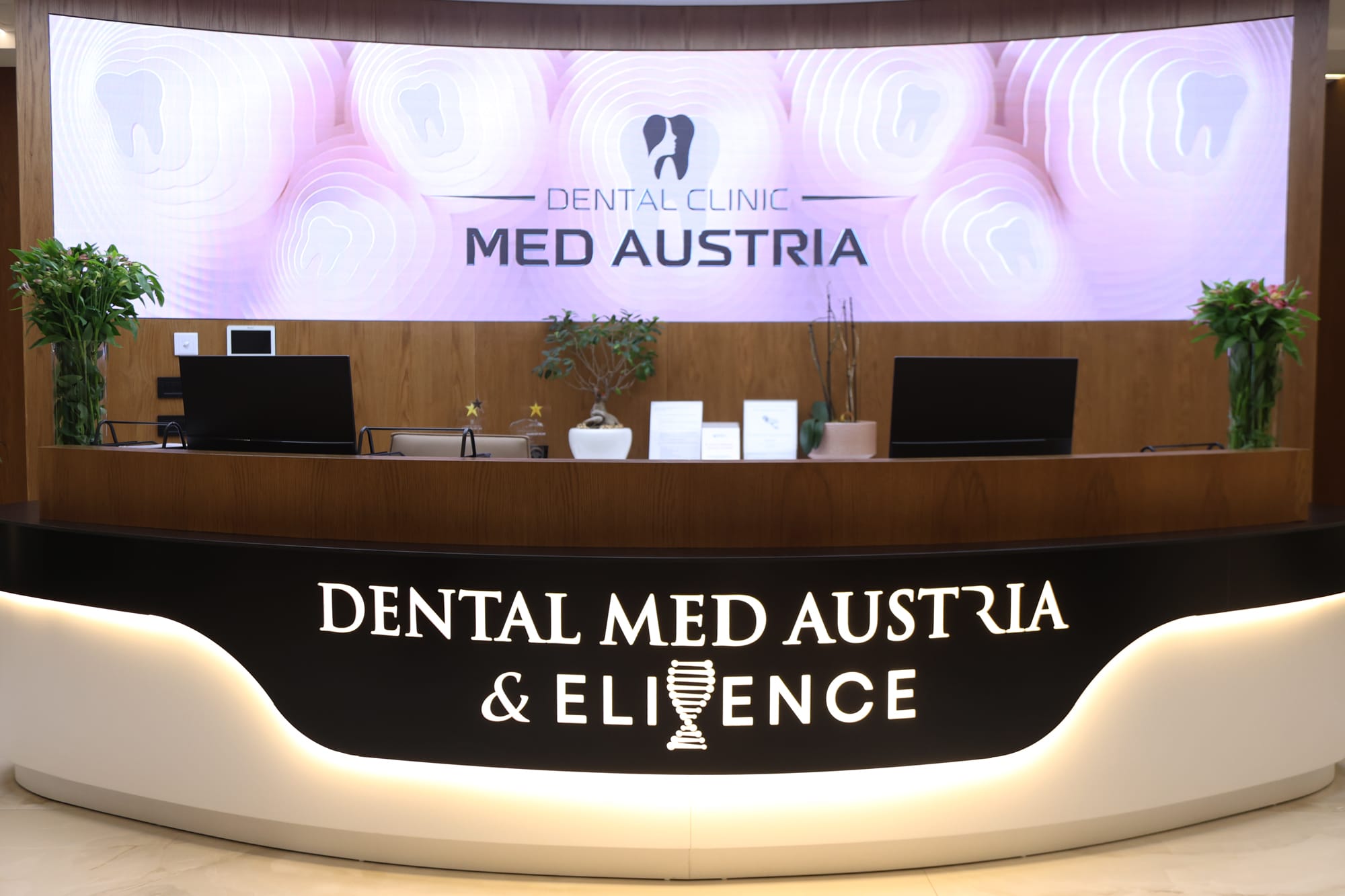
Accreditation is the fastest way to filter clinics. ISO 9001 certification means the clinic runs documented, repeatable processes for hygiene, sterilization, record keeping and patient management, and that these processes are audited by an outside body. Dental Med Austria is ISO 9001 certified, and that is not a decorative logo. It is the difference between a clinic that sterilizes instruments to a defined protocol every single time and one that hopes for the best.
When you visit or take a virtual tour, look at concrete hygiene signals. Instruments should be sterilized after every patient and stored sealed until use. Surfaces should be disinfected between patients. Single-use items should genuinely be single use. Modern digital imaging, meaning low-dose CBCT and intraoral scanners, shows the clinic has invested in diagnosis rather than guesswork. These details are easy to confirm and hard to fake, which is exactly why they matter.
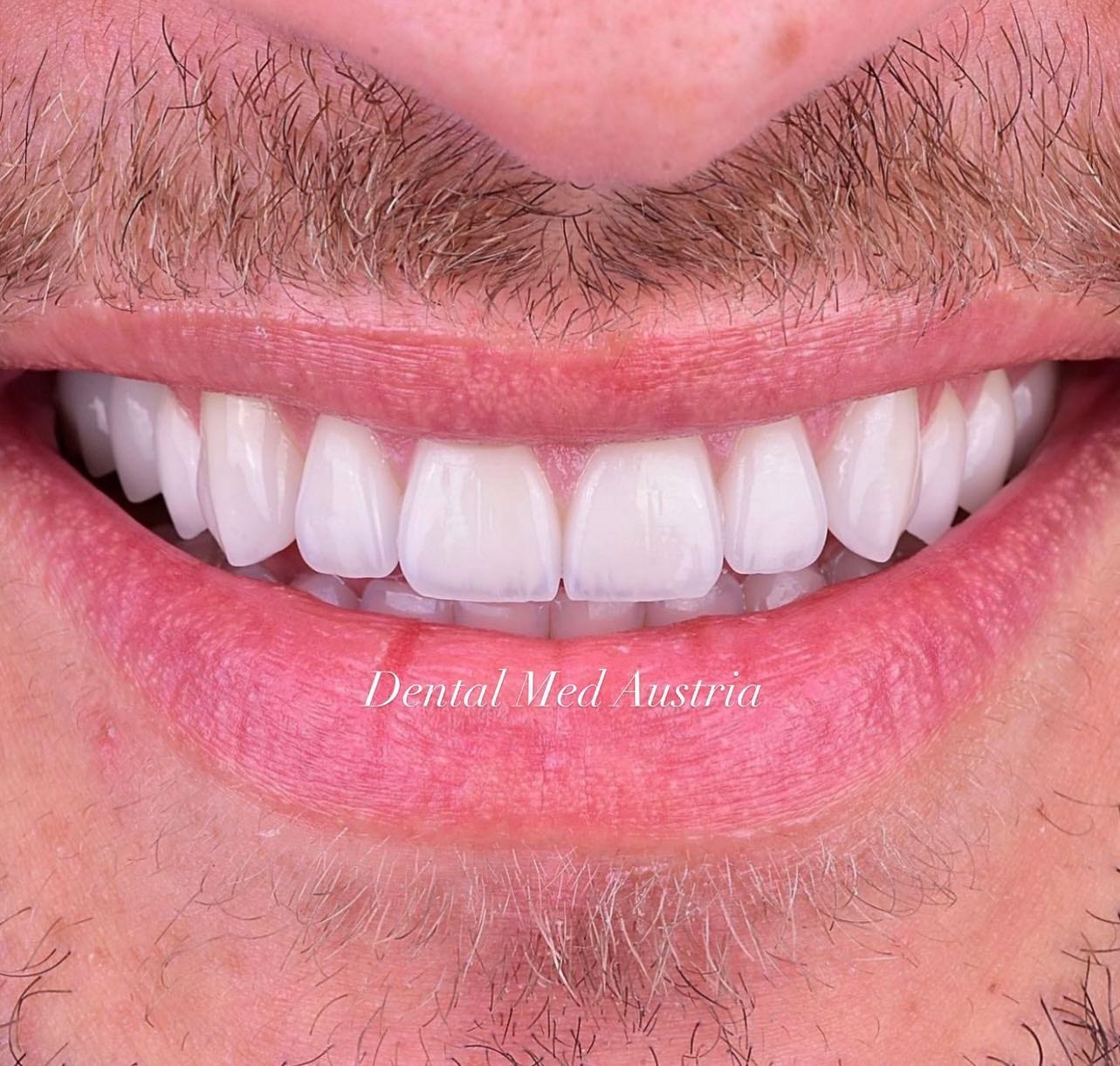
Materials are the other half of quality. For crowns and bridges, ask whether they use high-grade zirconia and where the lab work is done. Zirconia is a tooth-colored ceramic that is strong and biocompatible, and a good in-house or partner lab means fewer delays and better color matching. For fillings, ask about the composite brand. The point is not to memorize product names, it is to notice whether the clinic answers precisely or vaguely. Precision is a proxy for quality. You can read how we structure the clinical side of a visit on our Care & process page.
Implant systems and guarantee
This is where many DACH patients get nervous, and rightly so. The single most important question in implant dentistry abroad is which implant system the clinic uses. An implant is a two-part device: the screw that goes into the bone and the abutment and crown that sit on top. If you ever need a repair, a new crown or an adjustment years later, your dentist at home needs to identify the system and order matching components. With an obscure or no-name implant, that becomes a problem, because the parts may simply not exist in Germany, Switzerland or the UK.
That is why we work with premium, globally documented systems such as Straumann, ETK, Alpha-Bio and Biodem. These are known across the DACH region, dentists there recognize them, and spare parts and prosthetic components are widely available. So if you move, switch dentists, or need service in ten years, you are not stranded with a mystery screw in your jaw. When you compare clinics, look at whether they name the exact implant brand and line on their website. A clinic that stays vague and only says premium implants is worth a second thought.
Guarantees matter just as much as brands. A serious clinic stands behind its work with a written, itemized guarantee. Dental Med Austria offers a written treatment guarantee, and we issue the documentation in German so it means something back home. Read what a guarantee actually covers. Does it cover the implant fixture, the crown, the labor to redo the work? What voids it, for example not attending recommended checkups or poor oral hygiene? A clear guarantee document that names the systems and the terms is a mark of the best dental clinic in Albania, because only a clinic confident in its materials and technique will put obligations in writing.
Aftercare and language support
Aftercare is the point where cheap clinics quietly fail. Surgery is only half of the treatment. Healing, follow-up and the ability to reach someone when a temporary crown feels off or a stitch bothers you is the other half. Before you book, ask exactly how the clinic handles the weeks and months after you fly home. At Dental Med Austria we schedule structured follow-ups, offer video check-ins, and stay reachable through a German-speaking coordinator, so a small concern gets answered instead of turning into a panic.
Think through the realistic what-if. If a crown needs a minor adjustment after you return, the plan should be clear: send photos, get a video consultation, and if a hands-on fix is genuinely needed, understand that a short return trip is sometimes part of complex dental work anywhere, including at home. The difference is whether the clinic owns that responsibility under its guarantee or leaves you to sort it out alone. Honest aftercare is not the absence of any possible issue, it is a defined process for handling one.
Language removes most of the friction. Medical decisions made in a language you only half understand are stressful and risky. A German-speaking coordinator who explains the treatment plan, the aftercare instructions and the guarantee terms in your own language is not a luxury, it is patient safety. It also means your consent is truly informed. The logistics should feel handled too. Look for a clinic that organizes the practical side, from advice on flights to Tirana and airport pickup to partner hotels near the clinic, so you can focus on treatment. Our All-inclusive packages bundle exactly this kind of support.
Red flags to avoid
Be cautious with any clinic that gives a firm all-in price for implants without seeing an X-ray or CBCT scan. You cannot responsibly quote implant surgery without knowing bone volume and density. If a sinus lift or bone graft is needed and it was never mentioned, the low quote was fiction.
Be skeptical of pressure tactics. A discount that expires if you do not pay a deposit today is a sales trick, not dentistry. The same goes for promises that sound too clean, like guaranteeing that every patient gets fixed teeth in one visit or claiming zero risk. Osseointegration takes time, biology varies between patients, and no honest dentist guarantees a medical outcome. They guarantee the quality of the work and materials, which is different.
Watch for vagueness about implant brands, missing or verbal-only guarantees, no ISO or accreditation to point to, and no clear aftercare pathway. On the money side, be alert to a specific misunderstanding. Albania is not in the EU, so statutory health insurance in Germany, Switzerland and the UK does not reimburse planned dental treatment carried out here. Any clinic implying that your Krankenkasse will refund an Albanian treatment is misleading you. What is true is that private supplementary dental insurance, a Zahnzusatzversicherung, may cover part of the cost, and that a proper itemized treatment plan can be used for private claims or for tax purposes. Even without statutory reimbursement, you benefit from Premium Quality with European Standards, because our costs are lower, not our standards.
Conclusion and CTA
The best dental clinic in Albania is the one that lets you verify quality instead of asking you to trust a slogan. It is worth looking at the clinic's own website to see whether they mention ISO 9001 accreditation and name premium implant systems like Straumann, ETK, Alpha-Bio and Biodem, and checking that the guarantee and aftercare are set out clearly, ideally with a German-speaking coordinator to help from the first message to the final checkup. Do that, and you get premium-quality dentistry, with the paperwork and support to match.
If you would like an honest assessment of your case, send us your questions and any recent X-ray through our Contact page and we will prepare a free, itemized treatment plan with no obligation. It is the simplest way to compare us against any other clinic on facts.
Free treatment plan
Find out what your new smile could look like in Tirana
Send a panoramic X-ray or a few photos and our clinical team will reply with a free, written treatment plan within 24–48 hours, with no obligation.
Get my free planFAQ
Frequently asked questions
How do I verify that a dental clinic in Tirana is actually high quality?
Have a look at the clinic's own website to see whether they mention ISO 9001 accreditation and name the implant brands they use, and check that treatment comes with a written guarantee and clear aftercare. A clinic that shares these details openly rather than keeping them vague is usually a good sign.
Which implant systems should the best dentist in Albania use?
Look for globally documented premium systems such as Straumann, ETK, Alpha-Bio or Biodem. These are recognized across Germany, Switzerland and the UK, and their abutments and prosthetic parts are widely available, so any future repair or adjustment can be done by a dentist at home. Avoid clinics that will not name the exact brand.
Will my German or Swiss health insurance reimburse treatment in Albania?
No. Albania is not in the EU, so statutory insurance does not reimburse planned dental treatment done here. However, private supplementary dental insurance may cover part of the cost, and we provide a detailed itemized treatment plan you can use for private claims or tax purposes.
What happens if I have a complication after I fly home?
A serious clinic has a plan for this. At Dental Med Austria you can reach a German-speaking coordinator, send photos and use video follow-ups, and the work is backed by a written guarantee. If a hands-on fix is genuinely needed, a short return trip is sometimes part of complex dental care, and it is covered by clear guarantee terms.
How many trips to Albania do dental implants usually require?
Most implant cases need two trips because osseointegration, the fusion of the implant with the bone, takes about three to six months. The first visit covers surgery, the second covers the final crowns or bridge. Immediate loading with a temporary tooth is sometimes possible, but it depends on your bone quality, not on a promise.
Is dental work in Albania lower quality?
Not if you choose correctly. This reflects lower operating costs in Albania, not lower standards. With ISO 9001 processes, premium materials like high-grade zirconia and Straumann, ETK, Alpha-Bio or Biodem implants, and a written guarantee, you can get quality comparable to DACH clinics, to European standards.